

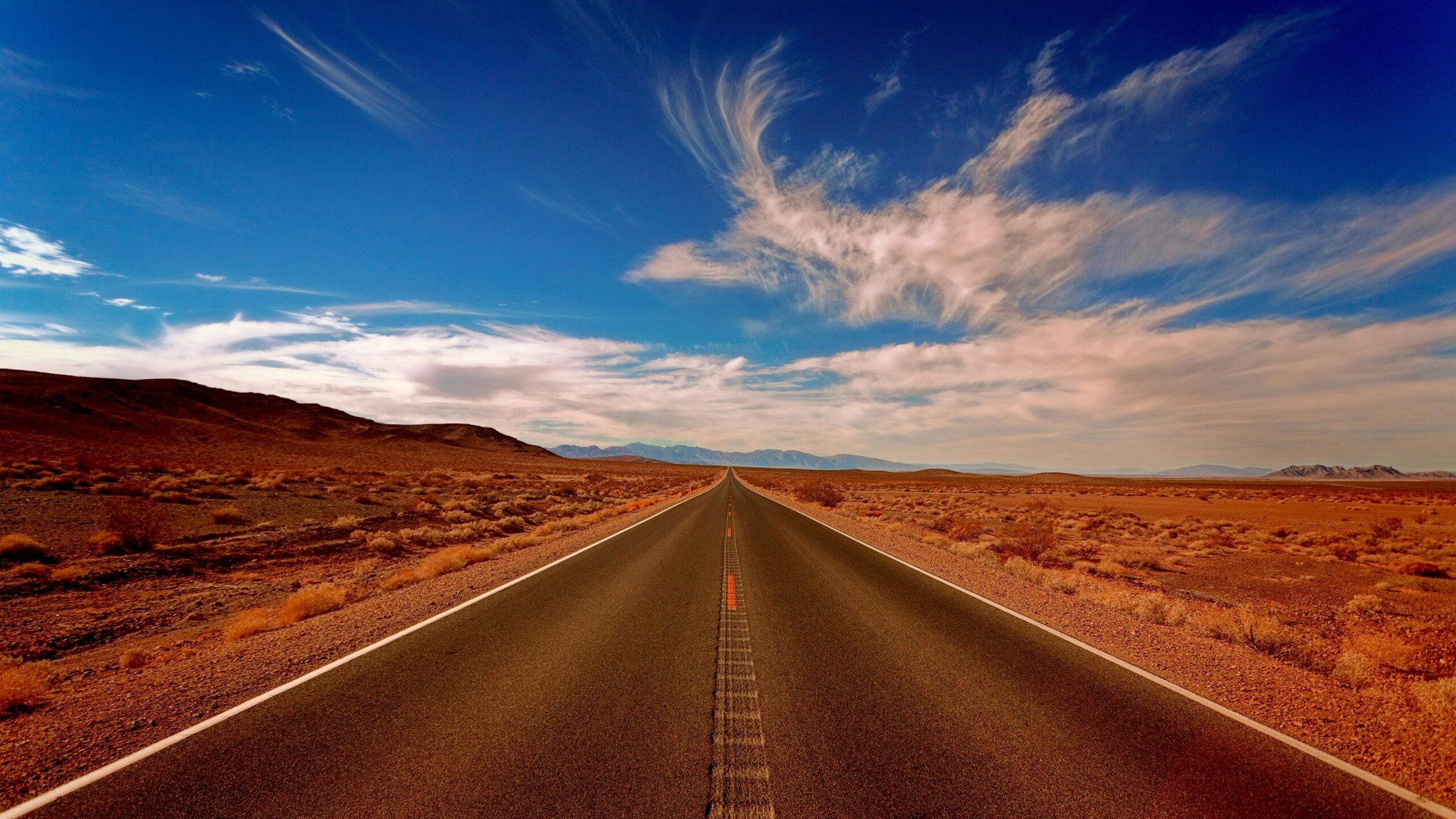
Key Takeaway: Riding a motorcycle or bicycle through Morocco is one of the most rewarding travel experiences in the world — but only if you respect the country’s real operational constraints, not the romanticized version you’ve read elsewhere.
Best Option by Scenario:
- Short trip (7–10 days): Rent a 400cc+ bike in Marrakech, stay north of the Sahara, and stick to the N9/R304 corridor.
- Long-haul (3+ weeks): Ship or ride your own bike via the Algeciras–Tangier ferry and plan your route around the Draa Valley and Dades Gorge.
- First-timer solo: Join a guided group for the first loop, then go independent the second time.
Counterintuitive Insight: The famous routes you’ve seen on Instagram — Todra Gorge, Erg Chebbi at sunset — are genuinely worth doing. The problem isn’t the destinations. It’s the 200 kilometers of unmarked piste, sudden fuel gaps, and zero mobile signal between those destinations that will break your trip if you haven’t prepared for them.
You’ve Watched the Videos. You’ve Planned the Route. And You’re Still Missing Half the Picture.
You’ve probably done what most riders do. You found a YouTube series of someone carving through the Atlas Mountains on a perfectly loaded adventure bike. You bookmarked the route on Google Maps. You bought a copy of the Trailblazer Morocco Overland guide. You even joined a Facebook group where people answered your fuel range questions with confident, totally contradictory information.
And now you’re sitting here wondering why something still feels off.
Here’s the honest answer: most Morocco riding content is produced by people who completed a charmed trip, skipped the hard decisions, or simply didn’t notice the things that nearly broke their experience. The gaps in that content are where trips fall apart.
I’ve ridden Morocco four times over seven years — solo on a 690, once with a group of eight bikes, once on a rented 125cc that I deeply regret, and once with my partner on a loaded BMW F850GS. I’ve broken down in Ouarzazate, been turned back at a piste that “should have been fine” after three days of rain, and had a rim destroyed by an unmarked pothole outside Tinghir at 70km/h. I’ve also had transcendent rides that I’d repeat tomorrow without hesitation.
What follows is what I’ve actually learned — not what looks good in a caption.
My Evaluation Framework
Before I give you any recommendations, you should know how I arrived at them.
What I evaluated:
- Route viability across four seasons (I’ve ridden in October, February, April, and July)
- Rental quality and bike availability in Marrakech, Fès, and Agadir
- Real-world fuel availability, not what’s marked on apps
- Road surface conditions versus what’s shown on mapping software
- Border and documentation realities for riders bringing their own bikes
- What actually goes wrong and how recoverable it is
What I excluded:
I haven’t ridden the far south near Mauritania. I haven’t ridden in August — nobody sensible does, the desert heat is dangerous and the tourist traffic on the main routes is brutal. I also excluded “budget” rental options below 250cc for anything beyond urban riding, because the mountain passes will punish underpowered bikes and their riders in ways I’ve watched happen.
The mistake most travel bloggers make:
They test the headline route — usually Marrakech to Merzouga — once, in spring, on a well-maintained rental, and treat that as representative of Morocco riding. It isn’t. It’s the easy version of one corridor in a country roughly twice the size of France.
What Kind of Rider Are You Actually Bringing to Morocco?
This sounds like an obvious question. It isn’t. Morocco riding tests a specific set of skills that many confident tarmac riders simply don’t have.
You will be fine if you:
- Have ridden piste or gravel roads before (not just “off-road” in a parking lot)
- Are comfortable with 300–400km days on varied terrain
- Can do basic mechanical checks: chain tension, tyre pressure without a pump gauge, oil level
- Have ridden in countries where road rules are loosely enforced
You should seriously reconsider your approach if you:
- Have only ridden on maintained European or North American roads
- Are not comfortable with donkeys, pedestrians, and scooters appearing without warning in the road
- Rely entirely on GPS without the ability to read a paper map
- Have never negotiated a fuel stop in a country where nobody speaks your language
This isn’t gatekeeping. Morocco is genuinely accessible to intermediate riders. But the honest truth is that the country demands a broader skill set than most destinations, and it’s better to know that before you book flights.
The Route Reality: What the Maps Don’t Show You
The N9 Is Not What It Used to Be
The N9 from Marrakech over the Tizi n’Tichka pass is the most famous riding road in Morocco, and it deserves its reputation — in sections. What the ride reports rarely mention is that the road surface has deteriorated significantly on the Ouarzazate-side descent since 2019. Patches have been laid over patches. In wet conditions, the camber on certain hairpins becomes unpredictable.
I’m not saying don’t ride it. I’m saying slow down considerably before Aït Benhaddou and treat it as a technical road, not a flowing mountain pass.
Real-world constraint: The road is also a truck route. On weekday mornings, you will share those hairpins with heavily loaded lorries that cannot hold their line. Factor this into your timing.
The Draa Valley: The Route Everyone Underestimates
The R108 through the Draa Valley, running south from Ouarzazate toward Zagora, is one of the most underrated riding roads in North Africa. It runs through a long chain of kasbahs and palmeries, it’s lightly trafficked, and the surface — at least as of my last ride in April — is in excellent condition.
The problem is distance and heat. From Ouarzazate to M’Hamid el Ghizlane at the end of the road is roughly 270km. In summer, you’re doing that in 40°C-plus heat with limited shade. In spring or autumn, it’s a highlight of any Morocco trip.
Who it’s for: Riders with a 300km+ fuel range who can manage heat, and who have pre-arranged accommodation at Zagora or Mhamid — don’t assume you’ll find something on arrival.
Who should avoid it: Day-trippers, riders without navigation backup, and anyone hoping to return to Ouarzazate the same day. It’s possible but it turns a scenic route into a slog.
Todra Gorge vs. Dades Gorge: The Debate You Need to Settle Before You Leave
Almost every Morocco itinerary includes both. Almost nobody explains the actual difference from a riding perspective.
| Feature | Todra Gorge | Dades Gorge |
|---|---|---|
| Road surface | Paved, narrow, steep | Paved lower, piste upper section |
| Riding challenge | Technical, very tight | More varied, better views |
| Crowds | Heavy (tourist buses) | Lighter, especially upper valley |
| Fuel availability | Small town at base | Very limited beyond Boumalne |
| Best season | Year-round (lower) | Spring/autumn for full route |
| Accommodation | Yes, at base | Limited beyond mid-valley |
My honest take: if you can only do one, do the Dades. The upper valley requires a capable bike and some piste confidence, but the reward — dramatic rock formations, almost no traffic, a sense of genuine remoteness — is proportionally greater. Todra is spectacular but increasingly managed for coach tours.
Fuel: The Gap Nobody Maps
This is the section that could save your trip.
Morocco’s fuel infrastructure is modern and reliable in cities and along major national routes. Outside of those corridors, it becomes a serious planning variable.
The gaps I’ve encountered personally:
- Between Zagora and M’Hamid: one pump, often without diesel, sometimes without petrol. Carry extra.
- Between Merzouga and the Algerian border route: no reliable fuel for 150km+ depending on direction.
- The piste routes through the Anti-Atlas: assume nothing.
What the apps show you is not reality. Google Maps and iOverlander mark fuel stations that have been closed for two years. Stations that are “open” are sometimes run by a man with a drum and a funnel. This isn’t a criticism — it’s local infrastructure, and it works if you plan for it.
My rule: In Morocco’s deep south or on any piste route, I carry a minimum of 4 extra litres regardless of my apparent range. A 15-litre jerrycan mounted to the panniers is not extreme. It is standard practice for experienced Morocco riders.
Documentation and Border Reality for Your Own Bike
If you’re bringing your own bike — which I recommend for any trip over two weeks — here is what you actually need.
Documents required:
- Passport
- Vehicle registration (must be in your name or accompanied by a notarized letter of permission)
- Green Card insurance valid for Morocco (not all policies include it — check explicitly)
- International Driving Permit (technically required, rarely checked, but get one)
- Temporary Vehicle Admission document (issued at border, free, essential)
The ferry crossing:
Algeciras to Tangier Med is the standard crossing. Book vehicle space in advance in July and August — the queues are not a minor inconvenience, they are multi-hour delays in full sun. Tangier Med port is significantly better organised than Tangier Ville. Use Tangier Med.
What nobody tells you about customs:
The Temporary Vehicle Admission is stamped into your passport. When you leave Morocco, the bike must leave with you. If the bike is stolen or written off inside Morocco, extracting it from the system is a weeks-long bureaucratic process. Make sure your travel insurance specifically covers this scenario. Most standard travel policies do not.
Renting vs. Bringing Your Own Bike: An Honest Trade-Off
This is the question every first-time Morocco rider asks, and the answer depends on factors most bloggers gloss over.
Renting makes sense if:
- Your trip is 10 days or fewer
- You’re flying into Marrakech
- You don’t want the logistical overhead of the ferry, customs, and documentation
- You’re comfortable riding an unfamiliar bike
What rentals in Morocco actually look like:
The quality range is vast. The better operators in Marrakech (and there are a handful of genuinely good ones) rent well-maintained F700GS or Transalp-class bikes with proper panniers, GPS mounts, and breakdown support. The cheaper end rents neglected bikes with worn tyres and no roadside assistance.
Ask these questions before booking any rental:
- What is the tyre condition and when were they last replaced?
- What is the breakdown support policy and response time outside cities?
- Is comprehensive insurance included, and what is the excess?
- Can I see the maintenance logbook?
If the operator cannot answer these questions clearly, rent elsewhere or reconsider the budget option. A blown tyre on a rental in the middle of the Anti-Atlas is not a small problem.
Bringing your own bike is better if:
- You’re riding for three weeks or more
- You have a bike set up for your specific ergonomics and load
- You want to carry camping gear or specific equipment
- You value not paying excess fees on a damaged rental
The real cost of bringing your own: Budget 150–200 euros each way for the ferry with a large adventure bike. Add insurance riders, Green Card check, and the time investment at both borders. It’s a real commitment, and it’s absolutely worth it for a longer trip.
Riding in Moroccan Cities: A Separate Skill Set
Let me be direct about this, because it surprises almost every rider who hasn’t done it before.
Marrakech, Fès, Casablanca, and Agadir have traffic dynamics that bear no resemblance to European or North American city riding. Lane discipline is a loose concept. Scooters move in three dimensions. Pedestrians treat the road as a shared space. Roundabouts function on a system of assertiveness rather than right-of-way.
None of this is aggressive. That’s the important thing to understand. Moroccan city traffic is dense and improvisational, but it’s not hostile. Once you stop trying to impose your home-country traffic logic onto it and simply ride fluidly at the pace of the traffic around you, it becomes manageable.
Practical advice:
- Ride at the pace of local scooters in the medina zones
- Sound your horn as a communication tool, not an aggression signal — everyone does it
- Never attempt to beat a closing gap; there will be another one immediately
- Give yourself 30–40 minutes longer for any city transit than Google Maps suggests
The medinas of Fès and Marrakech are not riding destinations — they’re areas to navigate through carefully and then leave. Don’t make the mistake of trying to find parking or explore by bike. Lock it outside the medina walls and walk.
Timing Your Trip: When Morocco Riding Actually Works
Spring (March–May): The Consensus Answer for Good Reason
Temperature in the mountains: 10–20°C. Desert plateau: 20–30°C. Roads are clear of snow above 2,000m from mid-March. Wildflowers cover the Atlas foothills. It is genuinely beautiful and genuinely crowded — the Merzouga dunes in particular are saturated with tour groups in April.
Best for: First-timers, anyone who wants reliable weather and maximum route flexibility.
Autumn (September–November): The Better Answer for Experienced Riders
The crowds have thinned. The light in October is extraordinary — low-angle, golden, perfect for the rock landscapes of the south. Temperatures are almost identical to spring. The only risk is early rain in the mountains in November, which can close high passes and make piste routes dangerous.
Best for: Riders who’ve done a spring trip and want a quieter, slightly more raw experience.
Winter (December–February): Only If You Know What You’re Getting Into
The Tizi n’Tichka and Tizi n’Test passes close with snow. The Saharan plateau is cold at night — genuinely cold, sub-zero at altitude. The south and coast are rideable and often stunning. But your route options are severely constrained.
Best for: Experienced riders targeting specific southern routes who don’t mind route flexibility being largely removed.
Summer (June–August): Mostly No
The desert routes are genuinely dangerous in July and August. Heat stroke is a real risk on a black tarmac road with no shade. The coast is fine. The north is manageable. But the routes that make Morocco riding special are either brutal or inaccessible in high summer. If this is your only window, focus on the north — the Rif Mountains and the Atlantic coast routes near Essaouira are summer-viable.
The Mistakes I’ve Seen Riders Make (And Made Myself)
Underestimating the Atlas Mountains in any season. The passes are not difficult riding. But they are high, the weather changes fast, and the temperature drop between the Marrakech plain and the pass summit can be 15°C. I’ve left Marrakech in 30°C heat and been riding through sleet at Tizi n’Tichka wearing everything I owned.
Over-scheduling the southern loop. Merzouga to Fès via the Dades and Todra in three days is possible on paper. In practice, it means skipping every interesting turn-off, arriving at each stop too tired to enjoy it, and driving the kind of distances that invite fatigue-related mistakes. The southern loop deserves five days minimum.
Assuming Google Maps piste ratings are accurate. A “piste” rated as moderate on satellite mapping may have been transformed by a single significant rainstorm. Always ask locally — and I mean in the nearest village, not at the hotel — before committing to a piste route.
Not carrying cash in sufficient denominations. Many petrol stations, small guesthouses, and road-side mechanics do not accept cards. Rural Morocco is substantially cash-based. Carry enough MAD for two days’ expenses beyond what you expect to spend.
The Thing Morocco Actually Rewards
Morocco rewards adaptability above almost every other quality.
The riders who come back having had a transformative experience are rarely the ones who executed their planned route perfectly. They’re the ones who stopped when something looked interesting, said yes to tea with a mechanic who fixed their chain in a village with no name on the map, took the turn they hadn’t planned because a local told them the road was good, and arrived somewhere different from where they intended.
The route is a suggestion. The infrastructure will test you. The country will be stranger and more hospitable than you expect simultaneously.
If you go prepared — with documents sorted, fuel range understood, a bike you trust, and a schedule with 20% slack built in — Morocco will give you more than almost anywhere else you can ride in a week or three. If you go assuming it will behave like a European tour, you will spend half your energy managing frustration instead of riding.
The hardest and most useful thing I can tell you: The gap between the Morocco you planned and the Morocco you experience will not be a failure. It will be the actual trip. Plan well enough to be safe. Leave enough room to be surprised.
Primary keyword: riding through Morocco | Secondary keywords: Morocco motorcycle trip, Morocco overland route, Morocco bike rental, Atlas Mountains riding, Merzouga motorcycle